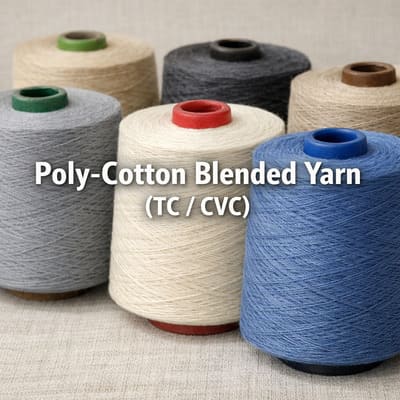
 TC / CVC
Poly-Cotton Blended Yarn
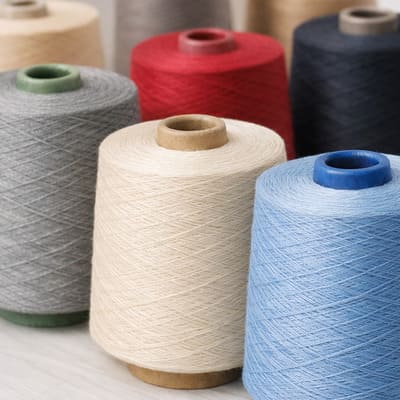
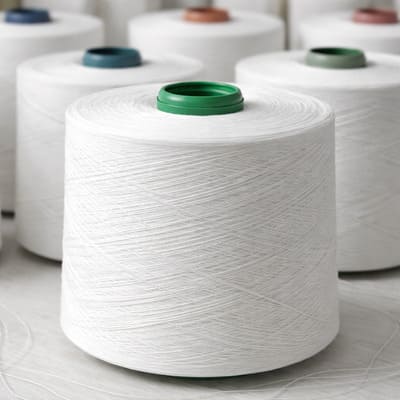
Poly-cotton blended yarn combines the best properties of polyester and cotton in a single yarn. The polyester component contributes tensile strength, wrinkle resistance, dimensional stability, and fast drying, while cotton contributes breathability, softness, moisture absorption, and natural comfort. Yaakan supplies poly-cotton yarn in the two most widely used international blends — TC (65% polyester / 35% cotton) for durability-focused applications, and CVC (60% cotton / 40% polyester) for comfort-focused apparel — across the full count range from coarse Ne 10 to fine Ne 60, in ring spun, open-end, and compact spun variants.
Full Specifications
| Parameter | TC 65/35 | CVC 60/40 | Notes |
|---|---|---|---|
| Blend Ratio | 65% Polyester / 35% Cotton | 60% Cotton / 40% Polyester | Custom ratios available |
| Yarn Count Range | Ne 10 – Ne 60 | Ne 16 – Ne 60 | Ne = English count system |
| Spinning Method | Ring Spun / Open-End / Compact | Ring Spun / Compact | OE less common for CVC |
| Cotton Component | Combed or Carded | Combed (preferred) or Carded | Combed = smoother, stronger |
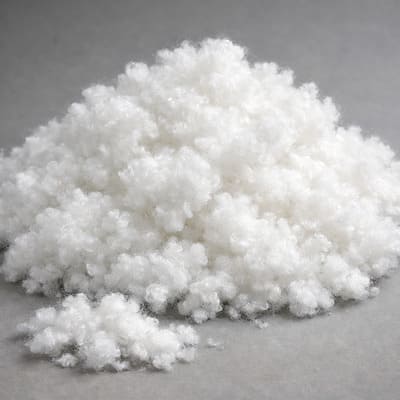
| Polyester Component | 1.5D × 38mm fine PSF | 1.5D × 38mm fine PSF | Same PSF used in both blends |
| Ply | Single / 2-ply / Multi-ply | Single / 2-ply | 2-ply for sewing thread, weaving |
| Twist Direction | Z-twist (standard) / S-twist | Z-twist standard | S-twist for 2-ply combination |
| Twist Multiplier (TM) | 3.5 – 4.5 | 3.8 – 4.5 | Higher TM = stronger, harder feel |
| Color | Raw White / Optical White / Dyed | Raw White / Optical White / Dyed | Yarn-dyed on request |
| Tenacity (Ring Spun) | ≥ 13 cN/tex (Ne 30) | ≥ 12 cN/tex (Ne 30) | TC stronger due to higher PES |
| Elongation at Break | 6% – 9% | 5% – 8% | Standard range |
| Evenness (CV%) | ≤ 14% (Ne 30 ring spun) | ≤ 14% (Ne 30 ring spun) | Uster CV% from mill report |
| HS Code (woven fabric) | 5206 (combed cotton yarn) | 5205 (uncombed) / 5206 (combed) | Specific code depends on composition |
| Packaging | Cone / Hank / Cheese | Cone / Hank / Cheese | 0.5–2 kg cones standard |
Count & Weight Guide
Ne count (English cotton count) measures yarn fineness — higher Ne = finer yarn. Select the right count based on your target fabric weight and end application.
| Ne Count | Yarn Weight | Spinning | Fabric Weight | Application | Blend |
|---|---|---|---|---|---|
| Ne 10 | Very coarse | Open-End | 350–500 g/m² | Heavy denim, thick workwear, canvas | TC 65/35 |
| Ne 16 | Coarse | Open-End / Ring | 280–380 g/m² | Heavy shirting, workwear, knit fleece | TC 65/35 |
| Ne 20 | Medium-coarse | Ring / Open-End | 200–280 g/m² | Uniform cloth, workwear shirting, knit jersey | TC / CVC |
| Ne 30 | Medium | Ring Spun | 130–200 g/m² | Standard shirting, T-shirt fabric, poplin | TC / CVC |
| Ne 40 | Medium-fine | Ring Spun / Compact | 100–140 g/m² | Fine shirting, premium polo, dress fabric | CVC 60/40 |
| Ne 45 | Fine | Compact Spun | 90–120 g/m² | Premium shirting, fine knitwear, fashion fabric | CVC 60/40 |
| Ne 60 | Very fine | Compact Spun (combed) | 70–100 g/m² | Finest shirting, luxury casual wear, voile | CVC 60/40 |
Ne Count Conversion Reference
Ne 30 ≈ Tex 19.7 ≈ Nm 50 ≈ Den 177 | Ne 40 ≈ Tex 14.8 ≈ Nm 67 ≈ Den 133 | Ne 20 ≈ Tex 29.5 ≈ Nm 34 | Ne 10 ≈ Tex 59 ≈ Nm 17
Packaging & Delivery
Standard Packaging
Shipping & Terms
Note on Poly-Cotton Yarn Lead Times
Poly-cotton yarn lead time is slightly longer than filament yarn (20–30 days vs 15–25 days) because it involves a multi-step blending and spinning process. Cotton prices and availability also influence lead times during periods of high market volatility. We will confirm the exact lead time at the time of order confirmation based on current production schedules.
Quality & Certification
Manufacturing partners hold ISO 9001 certification ensuring consistent blend ratios, spinning parameters, and yarn quality standards are maintained across every production batch.
Important for poly-cotton yarn used in skin-contact garments, children's wear, and medical textiles. Required by major European and US retail brands. Available on request.
SGS inspection available covering: blend ratio verification, yarn count (Ne), tenacity, elongation, and Uster evenness CV%. Mill quality certificates provided with every shipment.
The polyester/cotton blend ratio is verified by standard composition testing (acid dissolution method) before shipment. Mill certificate confirms blend ratio within ±2% of specification.
Documents per Shipment
Commercial Invoice · Packing List · Bill of Lading · Certificate of Origin (Form E) · Mill Quality Certificate (Ne count, tenacity, elongation, CV%, blend ratio). Optional: SGS Report · OEKO-TEX Certificate · Fumigation Certificate.
TC 65/35 vs CVC 60/40
The blend ratio is the single most important choice for poly-cotton yarn. It fundamentally changes the fabric's feel, performance, and price.
We also supply PC 50/50 (equal polyester and cotton) for buyers who want a balanced performance-comfort compromise, and custom blend ratios on request for large orders.
Spinning Methods Explained
The spinning method determines yarn surface quality, strength, and cost. Choose based on your fabric application and count requirement.
Count Range at a Glance
From heavy workwear to fine premium shirting — we supply across the full count range.
Applications of Poly-Cotton Yarn
TC and CVC yarn are among the world's most widely used textile raw materials — present in hundreds of millions of garments produced every year.
Your Reliable Poly-Cotton Yarn Supplier
"We order TC 65/35 Ne 30 ring spun for our school uniform fabric. Yaakan's blend consistency is excellent — the fabric dyes evenly and holds colour after 50+ washes."
— Fabric Mill, Dhaka, BangladeshPoly-Cotton Yarn FAQ
Answers to the most common questions buyers ask about TC and CVC poly-cotton yarn.
Ready to Order Poly-Cotton Yarn?
Tell us your blend (TC/CVC), count (Ne), spinning type, cotton grade, and quantity. We will respond with competitive FOB Xiamen pricing within 24 hours. 500 kg MOQ.